The Ultimate Guide to Palm Tree Trimming in Pinellas County, Florida
Ah, the majestic palm tree! It's the quintessential symbol of Florida living, swaying gracefully in the breeze, promising endless sunshine and tropical relaxation. For many coastal Florida homeowners, palms are more than just landscaping; they're an integral part of their property's charm and character. However, the beauty of these iconic trees comes with a responsibility: proper care and maintenance. Neglecting your palm trees, allowing them to become overgrown and unkempt, isn't just an eyesore-it creates a host of significant problems. Overgrown palm trees with their dense, often dead fronds become ideal havens for unwanted guests like rats, snakes, and a variety of insects. What's more, those dead or dying fronds, weakened and brittle, transform into dangerous projectiles during Florida's notorious high winds, posing a serious threat to your home, vehicles, and even loved ones. At Walker Tree Service, we understand the unique challenges and needs of palm tree care in our coastal environment, and we're here to help you keep your palms healthy, beautiful, and safe.
Understanding the Hazards of Neglected Palm Fronds in Coastal Florida
In the vibrant, sun-drenched landscapes of coastal Florida, palm trees stand as natural sentinels, defining our tropical aesthetic. Yet, their beauty can quickly diminish, and even turn hazardous, if proper care is overlooked. Neglected palms, characterized by drooping, brown, and dead fronds, are far more than just an unsightly inconvenience. They represent a significant risk to both your property's appeal and the safety of its inhabitants.
The Unattractive Reality: Brown, Drooping Fronds
Imagine pulling up to a beautiful Florida home, only to be greeted by palm trees with a skirt of withered, brown fronds clinging to their trunks. It immediately detracts from the property's curb appeal, doesn't it? These dead fronds signal neglect, making even the most meticulously maintained home appear unkempt and uncared for. For potential buyers, this can translate into a perception of higher maintenance costs and a lack of attention to detail, potentially lowering property value. A palm tree's canopy should be a vibrant display of green, healthy fronds that gently arc upwards or outwards, providing shade and visual interest. When the lower fronds begin to yellow, brown, and droop significantly, it's a clear sign that trimming is overdue. This isn't just about aesthetics; it's about the tree's overall health and your property's first impression.
Safety First: Projectile Dangers and Fire Risks
Beyond the visual impact, neglected palm fronds pose very real, tangible safety threats. Florida's weather is famously unpredictable, especially during hurricane season. Those seemingly harmless dead fronds, once dried out and brittle, transform into extremely dangerous projectiles in high winds. A single large palm frond can weigh dozens of pounds and, when propelled by a strong gust, can cause significant damage to roofs, windows, fences, vehicles, and even cause serious injury to anyone in its path. Ensuring these hazards are removed proactively is a critical step in preparing your property for the storm season, protecting your investments, and safeguarding your family.
Furthermore, dried palm fronds present a considerable fire hazard. While Florida is known for its humidity, periods of drought and dry conditions can occur, especially in late spring. A spark from a grill, a discarded cigarette, or even a lightning strike can quickly ignite a cluster of dry fronds, sending flames rapidly up the trunk and potentially spreading to nearby structures. Removing these highly flammable materials is not just a recommendation; it's an essential fire prevention strategy for any homeowner in our coastal environment.
Inviting Unwanted Guests: Pests and Critters
Perhaps one of the most unsettling consequences of neglected palm trees is the invitation they extend to pests. The dense, layered structure of dead palm fronds creates an ideal, secluded habitat for a variety of unwelcome creatures. Rats and mice find these spaces perfect for nesting, offering shelter from predators and the elements. From these elevated perches, they can easily access your roofline, leading to infestations in attics, walls, and garages. Once inside, they can chew through electrical wiring, contaminate food, and spread diseases.
Snakes, too, are often drawn to the cool, dark recesses offered by overgrown palms, especially those that are thick with dead fronds close to the ground. These spaces provide excellent hunting grounds for rodents and offer a safe hiding spot for the snakes themselves. Furthermore, a myriad of insects, from cockroaches to spiders, thrive in the decaying organic matter and protected environments of unkempt palm canopies. Keeping your palms properly trimmed significantly reduces these hiding spots, making your property less attractive to pests and helping to maintain a healthier, safer living environment.
The Art and Science of Palm Tree Trimming: Beyond the "Hurricane Cut"
When it comes to palm tree trimming, many homeowners in coastal Florida operate under misconceptions, often influenced by outdated or harmful practices. One of the most common, and unfortunately damaging, practices is the "hurricane cut." Understanding why this method is detrimental and what constitutes proper palm care is crucial for the long-term health and beauty of your trees.
Debunking the "Hurricane Cut": Why Less is More
The "hurricane cut," also known as over-pruning or hat-racking, involves aggressively removing all but a few of the uppermost fronds, leaving a small tuft at the top of the trunk. The rationale, often misguided, is that this extreme trimming makes the palm more resilient to strong winds by reducing its surface area. However, horticultural experts and arborists universally condemn this practice because it severely compromises the palm's health and, ironically, can make it more vulnerable to storm damage.
Here's why the hurricane cut is harmful:
- Starvation and Stress: Palm fronds are the tree's "food factories," responsible for photosynthesis. Removing too many fronds starves the tree, depleting its energy reserves. This stress makes the palm more susceptible to diseases, pests, and nutrient deficiencies.
- Weakened Structure: Over-pruning forces the palm to expend valuable energy quickly producing new fronds to compensate for the loss. These rapidly grown fronds are often weaker and less robust than naturally developed ones, making the palm's overall structure less stable and more prone to snapping or breaking during high winds.
- Increased Susceptibility to Pests and Diseases: The wounds left by aggressive trimming create entry points for pathogens and pests. A stressed palm also has a diminished ability to fight off infections.
- Reduced Aesthetic Value: A palm with a hurricane cut looks unnatural and stripped, destroying its elegant, tropical appearance. It takes years for a severely over-pruned palm to recover its full, healthy canopy, if it ever does.
The truth is, a healthy, well-maintained palm with a full, robust canopy is naturally resilient. Its fronds are designed to flex and shed excess wind, not to be aggressively stripped away.
Best Practices for Healthy Palm Tree Trimming
So, if the hurricane cut is out, what's the right way to trim a palm tree? The guiding principle is simple: only remove fronds that are completely dead, dying, or posing a clear hazard. This approach supports the palm's natural growth cycle and maintains its vitality.
Here are the best practices for professional palm trimming:
- The "9 and 3" Rule: A common guideline is to never remove fronds above a horizontal line extending from the 9 o'clock to 3 o'clock position on the palm's crown. This ensures that a sufficient number of healthy, green fronds remain to support photosynthesis and the tree's overall health. Ideally, the crown should maintain a full, rounded appearance.
- Remove Only Dead or Severely Yellowed Fronds: Focus on fronds that are entirely brown, brittle, or significantly yellowed. These fronds are no longer actively photosynthesizing and will eventually fall on their own. Removing them proactively prevents them from becoming hazards and keeps the tree looking tidy.
- Remove Diseased or Damaged Fronds: If you notice fronds showing signs of disease, such as unusual spots, lesions, or rot, or those that are physically broken, these should be removed to prevent the spread of illness and eliminate weak points.
- Remove Seed Stalks and Flower Stems: Many palm species produce large, heavy seed stalks or flower stems that can be quite messy and heavy. Removing these, especially if you don't intend to harvest the seeds, can help the tree conserve energy and maintain a cleaner appearance.
- Clean Cuts: Always make clean cuts close to the trunk, but without damaging the trunk itself. Ragged cuts can create entry points for pests and diseases.
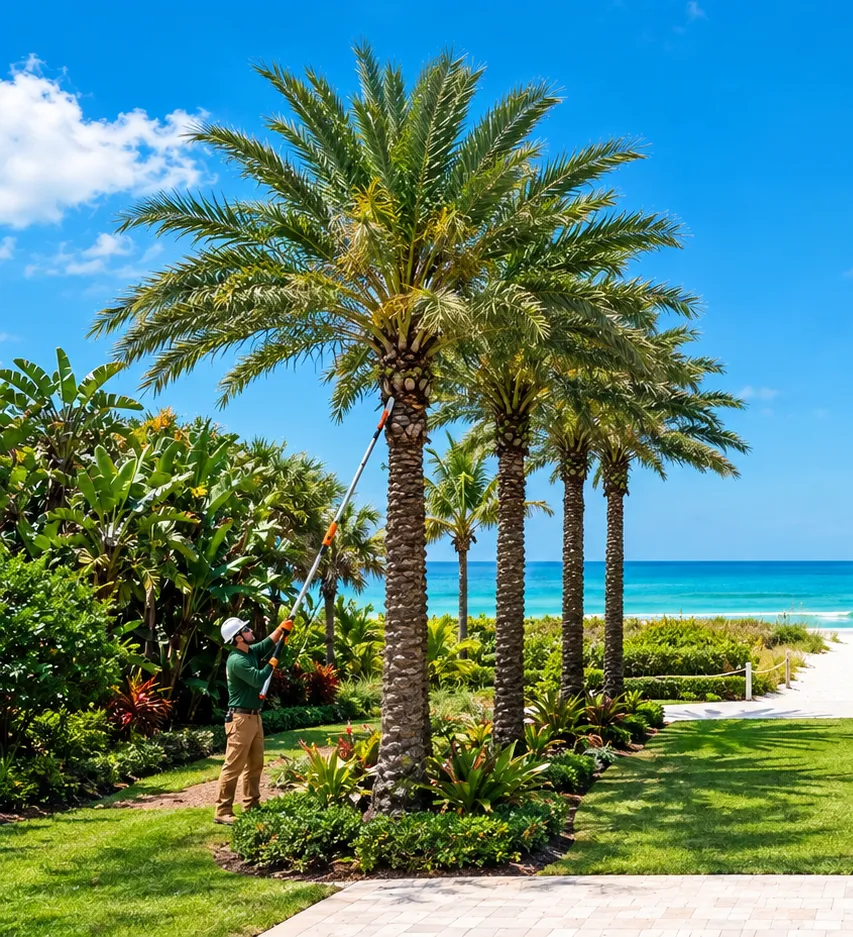
Proper palm trimming is a skilled task that requires knowledge of palm physiology, safety protocols, and the right equipment. Attempting to trim tall palms yourself can be extremely dangerous, leading to falls, cuts, or damage to the tree. This is where the expertise of a professional tree service like Walker Tree Service becomes invaluable. Our team understands the specific needs of different palm species common in coastal Florida and employs techniques that prioritize the long-term health and safety of your trees.
Elevating Your Property: Curb Appeal and Pest Prevention Through Professional Palm Trimming
Beyond the immediate safety concerns and the technicalities of proper pruning, professional palm tree trimming offers significant, lasting benefits for your property. It's an investment that pays dividends in enhanced curb appeal, effective pest prevention, and ultimately, the value and enjoyment of your coastal Florida home.
Boosting Curb Appeal: The Visual Impact of Well-Maintained Palms
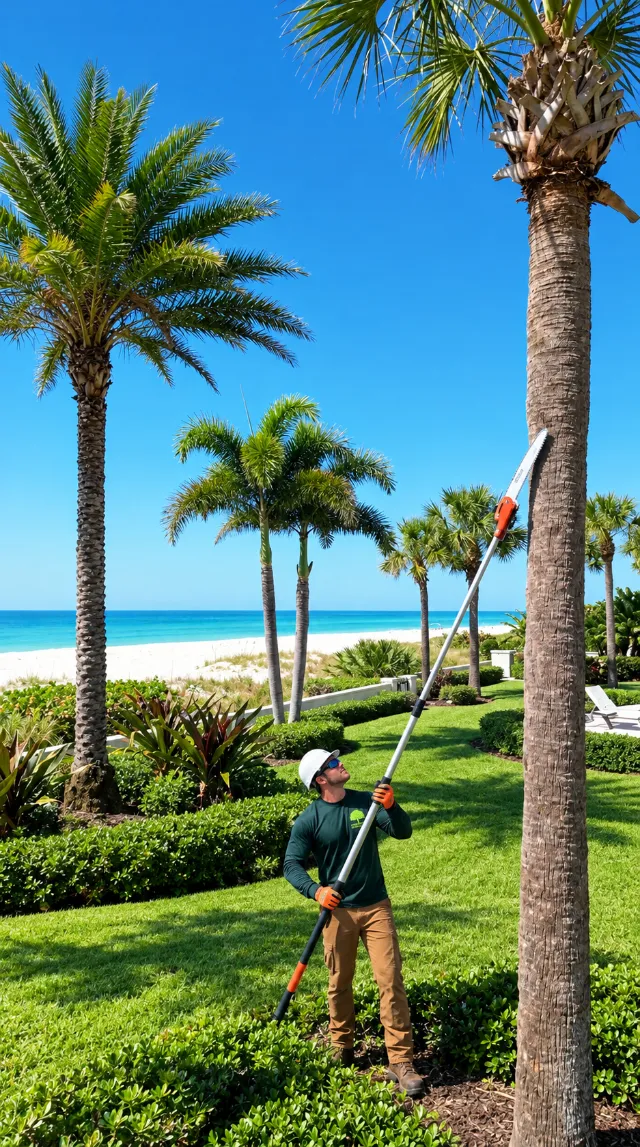
Imagine your property featuring perfectly manicured palm trees, their vibrant green fronds forming elegant crowns against the blue Florida sky. This isn't just a dream; it's the reality that professional palm trimming can achieve. Well-maintained palms instantly elevate your home's aesthetic, creating an inviting and polished look that speaks volumes about your property care.
Here's how professional trimming enhances curb appeal:
- Clean and Tidy Appearance: Removing dead, yellowed, or drooping fronds eliminates clutter and gives your palms a clean, sculpted look. This neatness extends to your entire yard, making it feel more organized and appealing.
- Highlighting Architectural Features: Overgrown palms can obscure views of your home's architectural details or block natural light. Strategic trimming opens up sightlines, allowing your home's design to shine and brightening interior spaces.
- Enhanced Property Value: A beautifully landscaped property, particularly one featuring healthy and well-groomed palm trees, is a major selling point. It signals to potential buyers that the home has been meticulously cared for, potentially increasing its market value and attracting more interest.
- Creating a Welcoming Atmosphere: There's an undeniable charm to healthy, vibrant palm trees. They contribute to a serene, tropical atmosphere that is synonymous with coastal Florida living, making your home a more enjoyable place for you and your guests.
At Walker Tree Service, we pride ourselves on delivering not just tree trimming, but a transformation. Our team understands how to shape and maintain your palms to complement your property's unique style, ensuring they contribute positively to its overall beauty.
Fortifying Your Home: Keeping Pests Away from Your Roofline
One of the most practical and often overlooked benefits of regular, professional palm trimming is its role in pest control. As discussed, neglected palms become prime real estate for a variety of critters. By systematically removing dead fronds and maintaining a clean canopy, you effectively eliminate these attractive pest habitats, creating a buffer zone around your home, particularly at the vulnerable roofline.
Consider the direct impact on pest prevention:
- Rats and Rodents: Dead palm fronds, especially those that accumulate close to the ground or form a dense "skirt" around the trunk, provide perfect cover and pathways for rats and mice. These rodents can easily climb the rough bark of a palm tree and, if fronds are touching or close to your roof, they have a direct bridge into your attic. Professional trimming removes these access points, making it significantly harder for rodents to reach your home.
- Snakes: Attracted by the presence of rodents and the cool, secluded shelter, snakes often take up residence in overgrown palm trees. Trimming away the dense undergrowth and dead fronds makes these hiding spots less appealing, encouraging snakes to seek shelter elsewhere.
- Insects: A variety of insects, including cockroaches, spiders, and even termites, can thrive in the decaying organic matter of dead palm fronds. Removing this decaying material eliminates a food source and breeding ground, reducing insect populations around your home.
- Preventing Roof Damage: Beyond pests, overhanging or dead palm fronds can rub against your roof, causing abrasion and potentially damaging shingles over time. Regular trimming ensures a clear space, protecting your roof from both physical damage and pest entry.
Professional trimming by Walker Tree Service is more than just an aesthetic improvement; it's a proactive measure in home maintenance and pest management. Our experienced team ensures that your palms are trimmed not just for beauty, but for safety and pest deterrence, keeping your home protected from the ground up to the roofline.
Don't let your beautiful coastal Florida palms become a source of frustration or risk. Embrace the benefits of professional palm tree trimming and enjoy a safer, more beautiful property. From enhancing your home's curb appeal to effectively deterring pests and mitigating storm risks, the advantages are clear. Our team at Walker Tree Service possesses the expertise, equipment, and commitment to provide top-tier palm care, ensuring your trees thrive in our unique Florida climate. We understand the nuances of each palm species and employ best practices to promote their health and longevity, all while prioritizing the safety of your property.
Keep your palms beautiful and safe! Call Walker Tree Service at 📞 (727) 902-5825 to schedule your service today. Let us help you maintain the stunning, healthy landscape your coastal Florida home deserves.